Economics, loans and inflation

There is no one explanation for why prices rise in a market, but one big reason that college and homes are so spectacularly costly as Iโ€™ve pointed out before is because loans are widely available.

Cathy Oโ€™Neil says the same thing.

Ok, some basic economics. In an ideal market, prices are determined by supply and demand. Duh. But they are also determined by supply of money. And hereโ€™s the thing: all money and all monetary instruments are fungible.

Loans, insurance, IOUs, bonds, treasury bills, promissory notes, etc. โ€“ all of those (with various risk discounting built in) are as good as money. They are the same as money, which is what โ€œfungibleโ€ means. Not all are perfectly fungible, but loans and currency are.

So this means that a loan, a grant and cash money chasing the same product โ€“ say a house or a degree โ€“ serves to drive the price up quite a lot vs. a non-loan, non-grant environment. (My back of the envelope calculation tells me that homes would be ~60% cheaper if no loans were allowed ever.)

More money chasing the same thing is called โ€œinflation,โ€ of course. Loans cause college costs to rise. Loans cause house prices to rise.

The more loans, the higher the price. Very simple (though many cannot see it).

Eventually, economics tells us that loan amounts for college should equal expected income vs. some risk discounting rate โ€“ meaning that college prices can rise far, far more than they have.

And they will, too, sans outside interference.

Without some regulations and constraint and given risk discounting, Iโ€™d expect college loans by 2050 to consume approximately 15-20 percent of the new graduateโ€™s total lifetime income.

Unless that is we do something to prevent it.
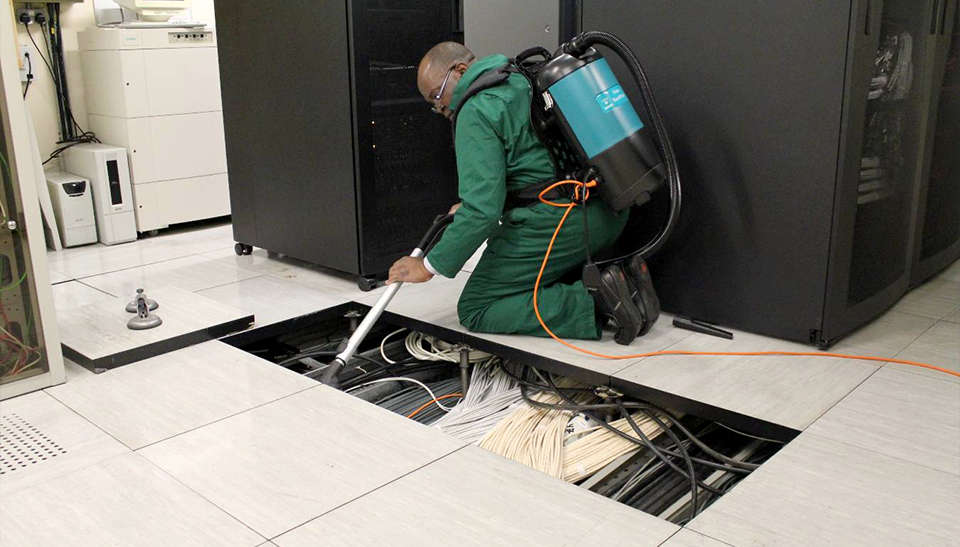
One day I’ll go pro

orgit_banner02What the hell is this?

IT is not a professional occupation? Tech support is not?

I know I couldnโ€™t be a programmer, but I also bet that dude (and you know it has to be a dude) couldnโ€™t do my job either.

Iโ€™ve built call centers from the ground up (all infrastructure) in a very, very short amount of time. Iโ€™ve solved problems that even the vendor of the software in question claimed were โ€œnot resolvable.โ€

I later called the vendor back and told them how to fix their own product.

But Iโ€™m not a professional, I guess.

Also, a good tech support person is worth their weight in gold and can solve problems a developer wouldnโ€™t even imagine. Also not a professional, according to this idiot.

IT does get lumped in the โ€œcomputer janitorโ€ category fairly often. People donโ€™t seem to know what to do with us. They want to treat us like janitors*, but also we usually get paid more than they do and are generally conversant in our job and often in theirs**, so it creates just huge cognitive dissonance. They want to treat us as worthless disposable cogs like they treat janitors, but canโ€™t dispose of us as things start to go downhill rather quickly when they do.

IT people also bother management. They have a lot of power by the nature of their jobs, but management sees them as innately inferior. And weโ€™re also seen as a huge cost center. So management is very, very averse to IT in most companies.

One of the reason programmers want to shit on IT is to avoid the de-professionalization that IT people experience — to say, โ€œIโ€™m not like those IT guys who do unimportant stuff like build the networks my code works across, deploy the servers on which I work and which power my applications. Iโ€™m also not like those lowly help desk minions who support my fuck-ups and figure out my code is broken ten ways to Sunday. Iโ€™m not like them at all.โ€

*Note: Janitors should get paid more and in no way should be besmirched. But most people view janitors negatively and want to view IT the same way.

**I canโ€™t tell you the number of times Iโ€™ve had to figure out how to do a significant part of someoneโ€™s job on the fly so that I could help them use software that they shouldโ€™ve already known how to use. Maybe 300 or 400 times in my career?

High-speed internet profit

Time Warnerโ€™s has a 97 percent profit margin on high-speed internet service.

Not surprising to me at all, though it is to many people since there has been a very, very successful propaganda campaign from incumbent ISPs asserting that bandwidth is just so expensive.

In reality, bandwidth and even ongoing infrastructure costs are fantastically, ridiculously cheap and literally decline in price every single month.

If TWC were to make a reasonable 15 percent profit, your monthly internet bill for say 100Mbs down should be around $20.