So I’ve been doing research on how certain ideas develop and then dominate the discourse, squeezing out all others. I doubt I’ll ever publish it. It’s just for my own interest. It’s the kind of thing I do all the time in one way or another, but I’m not an academic so no one will care even if the scholarship is excellent, anyway. (Wouldn’t a world without pervasive credentialism be nice?)
But I’ve been skimming through or sometimes reading dozens of older economics books to trace the genesis and development of ideas over time. I classify any economics books over twenty years old as “older” for my purposes.
Noticed this today in The Next Twenty-five Years of Public Choice, Charles K. Rowley, Friedrich Schneider (auth.), Charles K. Rowley, Friedrich Schneider, Robert D. Tollison (eds.) as a chapter title:
“Health care, education and the cost disease: A looming crisis for public choice”
So I read a little. Here’s what I found.
If the citizens of these countries are willing to do what is necessary for the supply of educational, health care and other related services to keep up with the expansion in overall economic output made possible by rising productivity, then, if my analysis is correct, a difficult choice will be required: either ever more of gross national product will have to be channeled through the public sector, with all the problems we know that to entail; or, alternatively, these services will have to be transferred to private enterprise, in fields where private business firms can hope to succeed only if granted an (improbably) immunity from the temptation of unwise governmental interference.
Nice false dichotomy the author has going there.
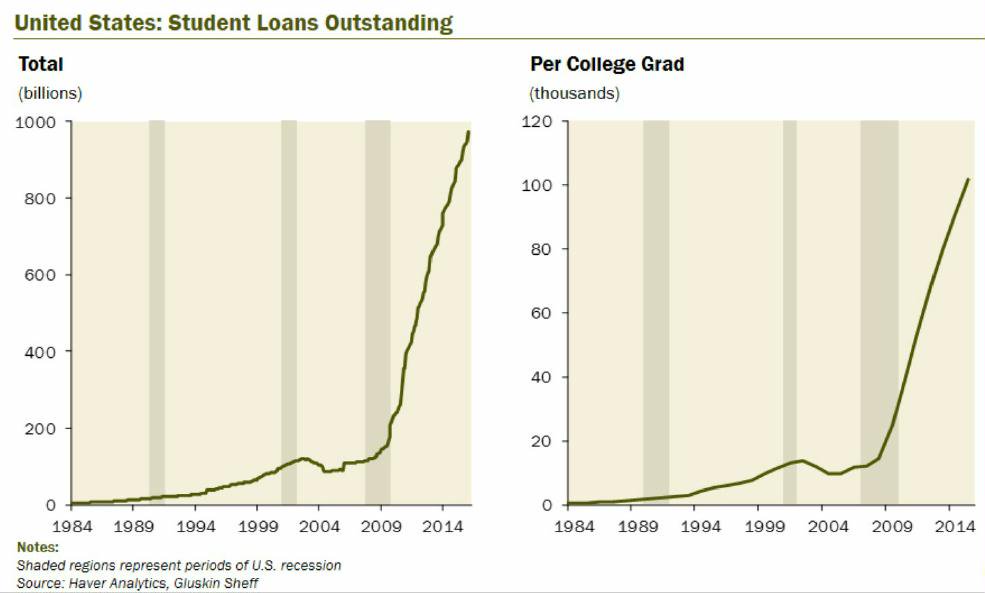
But it was indeed an accurate prediction and creation of the future; that is exactly what happened. (Of course to some extent it was already occurring, but has greatly accelerated since 1993.)